

Tingling in Hands and Feet: What It Means and When to See a Doctor
What does it mean when you feel tingling in your hands and feet? You may experience tingling, numbness, or a pins-and-needles sensation like your hands or feet are falling asleep. Occasional tingling is common and usually goes away quickly. However, tingling that happens often, gets worse, or comes with weakness or pain could be a sign of an underlying health condition.
In many cases, tingling in the hands and feet is related to nerve problems, circulation issues, injury or conditions affecting the spine, wrists, or feet. Understanding the possible causes can help you know when it's time to seek medical care.
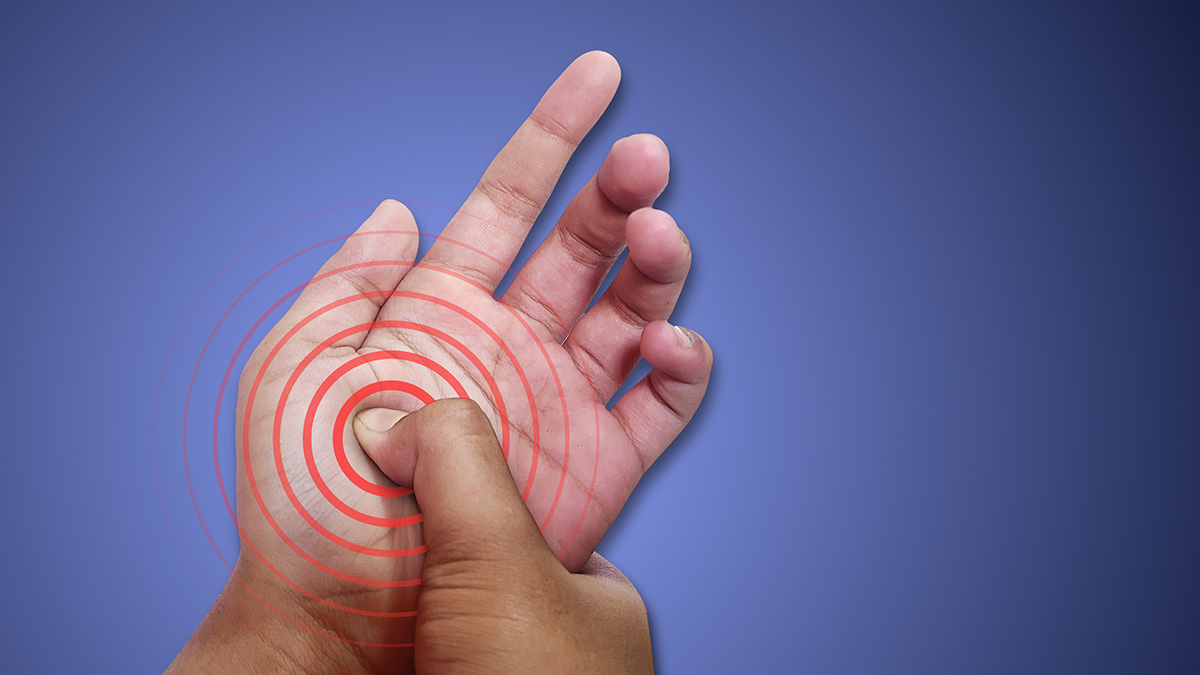
What does the tingling in your hands and feet feel like?
Some patients describe tingling in various ways, including:
-
Pins and needles
-
A burning or prickling sensation
-
Numbness or decreased feeling
-
A feeling that the hand or foot is asleep
-
Sensations that come and go or persist throughout the day
Tingling may affect one hand or foot, both sides of the body, or only certain fingers or toes.
Why do hands and feet tingle?
Tingling happens when the nerves that send signals between your brain and your body become irritated, compressed, or damaged. There are many possible causes, ranging from temporary pressure on a nerve to more serious medical conditions.
Common Causes of Tingling in the Hands
Some of the causes for tingling are specific to your hands. These issues include carpal tunnel syndrome, cubital tunnel syndrome, and a pinched nerve in your neck.
Carpal Tunnel Syndrome
One of the most common causes of tingling in the hands is carpal tunnel syndrome. This condition happens when the median nerve becomes compressed as it passes through the wrist.
Symptoms often include:
-
Tingling or numbness in the thumb, index finger, and middle finger
-
Hand weakness
-
Symptoms that are worse at night
-
Difficulty gripping objects
Learn more about carpel tunnel syndrome symptoms, causes and treatment options.
Cubital Tunnel Syndrome
The ulnar nerve runs along the inside of your elbow. When it becomes compressed, it can cause:
-
Tingling in the ring and little fingers
-
Hand weakness
-
Pain around the elbow
Some patients notice symptoms after keeping their elbows bent for long periods. Learn more about cubital tunnel syndrome.
Pinched Nerve in the Neck (Cervical Radiculopathy)
Cervical radiculopathy is a problem in the cervical spine that irritates the nerves traveling into the arms and hands.
A pinched nerve in the neck may cause:
-
Tingling down one or both arms
-
Neck pain
-
Shoulder pain
-
Muscle weakness
Conditions such as arthritis, bone spurs, degenerative disk disease (DDD), or a herniated disc can all contribute to nerve compression. A slip and fall or auto accident may also cause a neck injury or whiplash. It's important to take these injuries seriously and get medical attention.
Common Causes of Tingling in the Feet
Issues that can cause tingling in your feet include peripheral neuropathy, tarsal tunnel syndrome, sciatica, and a pinched nerve in your lower back.

Peripheral Neuropathy
Peripheral neuropathy occurs when nerves outside the brain and spinal cord become damaged. Common causes include:
-
Diabetes (diabetic neuropathy)
-
Vitamin deficiencies
-
Certain medications
-
Infections
-
Autoimmune conditions
Peripheral neuropathy can affect movement, sensation, and balance.
Tarsal Tunnel Syndrome
Similar to carpal tunnel syndrome in the wrist, tarsal tunnel syndrome occurs when a nerve becomes compressed near the ankle. Symptoms may include:
-
Tingling or burning in the foot
-
Pain that worsens with activity
-
Numbness in the toes
Sciatica
The sciatic nerve travels from the lower back down each leg. Compression of this nerve can cause:
-
Tingling in the leg or foot
-
Pain that travels down the leg
-
Numbness or weakness
Sciatica can cause pain and tingling in the lower extremities.
Other Conditions That Can Cause Tingling
Sometimes tingling is related to an underlying medical condition that affects the entire body.
Possible causes include:
-
Diabetes
-
Vitamin B12 deficiency
-
Thyroid disorders
-
Multiple sclerosis
-
Autoimmune diseases
-
Alcohol misuse
-
Certain infections
-
Poor circulation
-
Side effects of some medications
In rare cases, tingling can be a sign of a more serious neurological condition.
When should you be concerned about tingling?
Occasional tingling that goes away after changing positions is usually not serious. However, you should see a doctor if tingling:
-
Happens frequently
-
Lasts for days or weeks
-
Becomes more severe over time
-
Interferes with daily activities or sleeping
-
Causes weakness or loss of coordination
-
Occurs with significant pain
Persistent symptoms often indicate that a nerve is compressed, irritated, or damaged and may benefit from medical evaluation.
When is tingling in the hands and feet and emergency?
Seek immediate medical care if tingling occurs suddenly and is accompanied by:
-
Weakness on one side of the body
-
Difficulty speaking
-
Loss of balance
-
Sudden severe headache
-
Facial drooping
-
Loss of bladder or bowel control
These symptoms could be signs of a stroke or another medical emergency. Learn more about signs and symptoms of a stroke at The Centers for Disease Control and Prevention website.
How do doctors diagnose tingling in the hands and feet?
Finding the cause of tingling starts with a detailed medical history and physical examination. Your doctor may ask:
-
When did the symptoms begin?
-
Which fingers or toes are affected?
-
Are symptoms constant or intermittent?
-
Do certain activities make them worse?
-
Are you experiencing weakness or pain?
Depending on your symptoms, additional testing may include:
-
MRI scans
-
Nerve conduction studies
-
Electromyography (EMG)
-
Blood tests
These tests help determine whether the problem is coming from a nerve, the spine, circulation, or another medical condition.
Treatment Options for Tingling
Treatment depends on the underlying cause. Possible treatments include:
-
Lifestyle Changes
-
Improving posture
-
Taking breaks from repetitive activities
-
Managing blood sugar levels
-
Addressing vitamin deficiencies
-
Physical or Occupational Therapy
Therapy can improve strength, flexibility, and nerve function.
Bracing or Splinting
Wrist braces may help relieve symptoms from carpal tunnel syndrome.
Medications
Some conditions require medications to reduce inflammation or manage nerve pain.
Injections or Surgery
If a nerve is significantly compressed, procedures may be recommended to relieve pressure and prevent permanent damage.
Can tingling go away on its own?
Sometimes, yes. If tingling is caused by temporary pressure on a nerve, symptoms often improve quickly once the pressure is relieved.
However, tingling caused by nerve compression, diabetes, or spinal conditions may continue or worsen without treatment. Early evaluation can help prevent long-term nerve damage and improve outcomes.
Frequently Asked Questions About Tingling in Hands and Feet
Can stress cause tingling?
Yes. Anxiety and stress can sometimes cause temporary tingling sensations, particularly in the hands, feet, or face. However, persistent symptoms should still be evaluated.
Is tingling a sign of poor circulation?
It can be, but tingling is more commonly related to nerve problems than circulation issues.
Why do my hands tingle at night?
Nighttime tingling is often associated with carpal tunnel syndrome or sleeping in a position that places pressure on a nerve.
Can a pinched nerve cause tingling in my foot?
Yes. Problems in the lower back can irritate nerves that travel down the leg and into the foot.
Find Relief from Tingling and Numbness
Persistent tingling in your hands or feet should not be ignored. Whether the cause is a pinched nerve, carpal tunnel syndrome, or another condition affecting the nerves, an accurate diagnosis is the first step toward relief.
The specialists at The Centers for Advanced Orthopaedics help patients throughout Washington, D.C., Northern Virginia, and Maryland diagnose and treat conditions affecting the hands, feet, spine, and peripheral nerves. If tingling, numbness, or weakness is interfering with your daily life, request an appointment with a CAO specialist to discuss your symptoms and treatment options.